Winston Churchill and Doris Fisher: Two Remarkable Names from Different Worlds

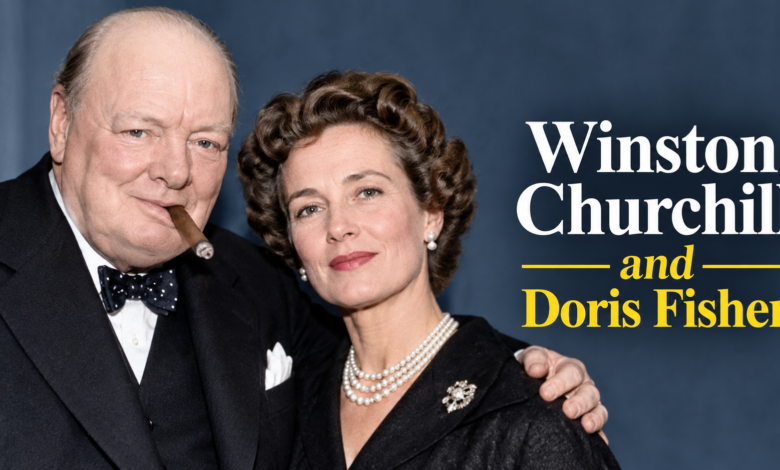
The names Winston Churchill and Doris Fisher represent two very different areas of history, leadership, and achievement. Winston Churchill is remembered as one of the most influential political leaders of the 20th century, while Doris Fisher is widely recognized for her contribution to the American fashion and retail industry as the co-founder of Gap Inc. Although their careers developed in different periods and industries, exploring Winston Churchill and Doris Fisher provides an interesting opportunity to understand how individuals can leave lasting marks on society through leadership, determination, creativity, and vision.
Understanding these two personalities requires looking beyond their names. Their backgrounds, professional journeys, accomplishments, and influence reveal different approaches to success. Churchill became internationally recognized through politics, wartime leadership, and writing. Doris Fisher helped transform everyday clothing retail into a globally recognized business through her entrepreneurial vision and understanding of customers.
This article explores their lives, achievements, professional contributions, and lasting legacies while explaining why both names continue to attract public interest.
Who Was Winston Churchill?
Winston Churchill was a British statesman, military officer, historian, and writer who became one of the most recognizable political figures of the 20th century. Born on November 30, 1874, at Blenheim Palace in Oxfordshire, England, he grew up in an influential British family. His father, Lord Randolph Churchill, was a prominent Conservative politician, while his mother, Jennie Jerome, was an American socialite. His family background exposed him to politics and public life from an early age.
Churchill’s early education was not particularly smooth. He attended several schools and eventually studied at the Royal Military College, Sandhurst. After completing his military education, he joined the British Army and gained experience as a soldier and war correspondent. His assignments took him to places including India, Sudan, and South Africa. These experiences helped develop his interest in military affairs, international politics, and communication.
His experiences as a journalist and military officer also helped him build a public reputation. He wrote about conflicts, political developments, and his personal experiences, gradually becoming known for his strong opinions and writing abilities. These early activities created a foundation for his later political career.
Winston Churchill’s Political Career and Leadership
Churchill entered Parliament in 1900 as a Conservative representative for Oldham. During his political career, he changed political parties and held several important government positions. His responsibilities included serving as president of the Board of Trade, Home Secretary, First Lord of the Admiralty, and Chancellor of the Exchequer.
His political career was not without controversy. Some of his decisions, particularly those involving military strategy and imperial policy, attracted criticism. The Gallipoli campaign during the First World War became one of the most significant setbacks associated with his early leadership. The campaign resulted in heavy Allied casualties and damaged his political reputation.
Despite these challenges, Churchill continued working in public life and eventually returned to positions of national importance. His experience across different government departments gave him a broad understanding of British politics, military planning, and international relations.
His greatest historical significance came during the Second World War. In May 1940, Churchill became Prime Minister of the United Kingdom at a time when Nazi Germany was rapidly expanding across Europe. His leadership, speeches, and determination helped strengthen British morale during one of the country’s most difficult periods.
Winston Churchill’s Famous Speeches and Literary Achievements
One of Churchill’s greatest strengths was his ability to communicate during difficult moments. His speeches were not simply political statements; they were carefully delivered messages designed to encourage people, explain difficult decisions, and build confidence. During the Second World War, Britain faced bombing raids, military setbacks, and the possibility of invasion. Churchill understood that maintaining public morale was an important part of national leadership.
Some of his most memorable speeches include his 1940 addresses known for the phrases “Blood, Toil, Tears and Sweat,” “We Shall Fight on the Beaches,” and “Their Finest Hour.” These speeches reflected his determination to continue resisting Nazi Germany. His communication style combined emotional language, historical references, and direct appeals to national courage.
Churchill was also a successful author. He wrote books, historical accounts, biographies, and articles throughout his life. His literary work covered subjects ranging from military campaigns to international politics. In 1953, he received the Nobel Prize in Literature in recognition of his historical and biographical writing as well as his oratory. His achievements as a writer helped establish his reputation beyond the political world.
GOV.UK+1
Who Was Doris Fisher?
Doris Fisher was an American businesswoman, entrepreneur, art collector, and philanthropist best known for co-founding Gap Inc. with her husband, Donald Fisher. Born Doris Lee Feigenbaum on August 23, 1931, in San Francisco, California, she grew up in a family that valued education, community involvement, and professional achievement. Unlike many people who entered the retail industry through traditional business careers, Fisher developed her influence through practical experience, creative thinking, and a strong understanding of customer preferences.
She attended Stanford University and graduated in 1953 with a degree in economics. Her education provided a foundation for understanding business decisions, markets, and consumer behavior. She also participated in university activities and developed interests that later influenced her work in fashion and the arts. Her professional journey demonstrates how academic knowledge can become valuable when combined with creativity and practical decision-making.
Doris Fisher passed away on May 2, 2026, at the age of 94. During her lifetime, she became an important figure in American retail and cultural philanthropy. Although she generally preferred to maintain a relatively private public profile, her influence on Gap’s identity and its merchandising approach was substantial. Her story is particularly interesting because she helped build a major company while also supporting education and contemporary art.
Stanford Report+1
How Doris Fisher Helped Build Gap Inc.
The story of Gap Inc. began with a relatively ordinary shopping problem. Doris and her husband, Donald Fisher, experienced difficulty finding jeans that fitted properly. Instead of accepting the limited shopping options available at the time, they recognized an opportunity to create a store that offered customers more convenient access to denim clothing and related products.
In August 1969, the couple opened their first Gap store in San Francisco. The original business sold Levi’s jeans and music records, targeting customers who wanted a straightforward and enjoyable shopping experience. The name Gap was inspired by the generation gap, reflecting the cultural differences between younger people and their parents. What started as a single retail location eventually developed into an internationally recognized fashion business.
Doris was much more than a supportive business partner. She played an important role in merchandising, product selection, store presentation, and the company’s overall visual identity. Her ability to understand what customers wanted helped Gap develop a recognizable style based on accessible clothing and simple designs. Her contributions became particularly important as the company expanded into new product categories and customer groups.
Stanford Report+2
Doris Fisher’s Influence on Fashion and Retail
One of Doris Fisher’s most important contributions was helping establish Gap’s distinctive fashion identity. She understood that customers did not always want complicated designs or expensive clothing. Many shoppers preferred comfortable, versatile pieces that could be worn in different situations. This understanding helped the company develop a recognizable approach to everyday American fashion.
Her merchandising decisions helped Gap move beyond its original focus on denim. The company gradually expanded its clothing collections, introducing products for different age groups and lifestyles. GapKids and babyGap helped the retailer reach younger customers, while Banana Republic and Old Navy became important parts of the wider business portfolio. These developments helped Gap Inc. grow into a major international retail organization.
Fisher’s influence was also visible in the way products were presented to customers. She appreciated the importance of visual consistency, thoughtful store design, and advertising that reflected the company’s identity. Rather than relying entirely on short-lived fashion trends, she helped build a retail philosophy around accessible style and recognizable essentials. Her work demonstrated that understanding customers can be just as important as having a large marketing budget or an extensive product range.
Doris Fisher’s Passion for Art and Philanthropy
Beyond her achievements in retail, Doris Fisher developed a strong interest in modern and contemporary art. Together with Donald Fisher, she built an impressive private art collection featuring works by internationally recognized artists. Their interest began with collecting prints to decorate Gap’s offices, but it gradually developed into a serious commitment to understanding and supporting contemporary artists.
The Fisher Collection eventually grew to include more than 1,100 artworks. It featured important works by artists such as Andy Warhol, Alexander Calder, Agnes Martin, Gerhard Richter, and Richard Serra. The couple believed that art should be experienced and appreciated rather than simply stored away as a private investment. Their decision to share the collection with the San Francisco Museum of Modern Art helped make these works accessible to a much wider audience.
Education was another important part of Fisher’s philanthropic activities. She supported Stanford University and participated in organizations focused on improving educational opportunities. Her involvement with KIPP and other educational initiatives reflected her belief that students from underserved communities deserved access to better learning opportunities. Her legacy therefore extends beyond the clothing industry into education, public culture, and community development.
Are Winston Churchill and Doris Fisher Connected?
An interesting question surrounding the keyword Winston Churchill and Doris Fisher is whether these two personalities shared a personal, professional, or historical connection. Based on their documented biographies, there is no established evidence that they worked together, had a personal relationship, or were directly connected through a shared business or political project.
Their lives belonged to different professional environments. Churchill was a British political leader whose most important achievements took place during the first half of the 20th century. Doris Fisher, meanwhile, built her reputation in American retail and philanthropy, particularly from the late 1960s onward. Their careers developed around different goals, industries, and audiences.
However, comparing them is still worthwhile because both demonstrated how individuals can influence society in different ways. Churchill used political leadership, public communication, and historical writing to shape major events. Fisher used entrepreneurship, creative judgment, and charitable activities to influence business and cultural institutions. Their stories offer different perspectives on achievement and long-term influence.
Winston Churchill and Doris Fisher: Comparing Their Legacies
Although Winston Churchill and Doris Fisher worked in completely different fields, their lives offer several interesting points of comparison. Both became influential figures whose contributions continued to attract attention long after their most important professional achievements. Their stories also demonstrate that success can take different forms depending on an individual’s ambitions and circumstances.
Churchill’s legacy is primarily associated with wartime leadership, British politics, international diplomacy, and literature. His speeches remain part of historical discussions about courage and national determination. At the same time, historians continue examining his political decisions, including controversial aspects of his views and policies. His historical reputation is therefore complex and cannot be understood through his wartime achievements alone.
Doris Fisher’s legacy is closely associated with entrepreneurship, fashion, art, and education. She helped create a retail business that changed how many Americans approached everyday clothing. Her contribution to the Fisher Collection and her educational philanthropy also demonstrate that business success can create opportunities for cultural and community investment. Both individuals show that influence is not limited to one profession or one generation.
What Can People Learn from Their Stories?
The lives of Winston Churchill and Doris Fisher offer several useful lessons for people interested in leadership, business, and personal development. One important lesson is the value of persistence. Churchill experienced political setbacks and professional criticism before reaching his most influential position. Fisher also began with a relatively small retail idea that required years of effort and business development to become successful.
Another important lesson is the ability to recognize opportunities. Churchill understood the importance of confronting the growing threat posed by Nazi Germany, even when his warnings were not widely accepted. Fisher and her husband recognized a gap in the clothing retail market and turned an everyday shopping frustration into a business opportunity. Their experiences show how paying attention to problems can lead to meaningful achievements.
Their stories also highlight the importance of communication and vision. Churchill used speeches and writing to influence public opinion, while Fisher used product selection, merchandising, and brand identity to connect with customers. Although their methods were different, both understood that successful leadership requires a clear sense of purpose and the ability to communicate that purpose effectively.
Conclusion
Winston Churchill and Doris Fisher are two distinctive historical personalities whose contributions belong to different areas of public life. Churchill became an internationally recognized statesman, wartime leader, and Nobel Prize-winning author. Doris Fisher became a pioneering American entrepreneur who helped establish Gap Inc. and supported important initiatives in art and education.
Although there is no documented direct relationship between them, examining Winston Churchill and Doris Fisher together offers an interesting comparison of political leadership and business entrepreneurship. Their experiences demonstrate that lasting influence can come from many different professions and forms of service.
Ultimately, their legacies remind us that meaningful achievements often begin with a clear vision, determination, and the willingness to take responsibility. Whether through political decisions that shape nations or business ideas that change everyday experiences, individuals can leave a lasting impact on the world around them.
You May Also Read: Palmer Luckey and Jeff Greene