Glassdoor Reviews: The Complete Guide to Understanding Company Ratings Before Accepting a Job

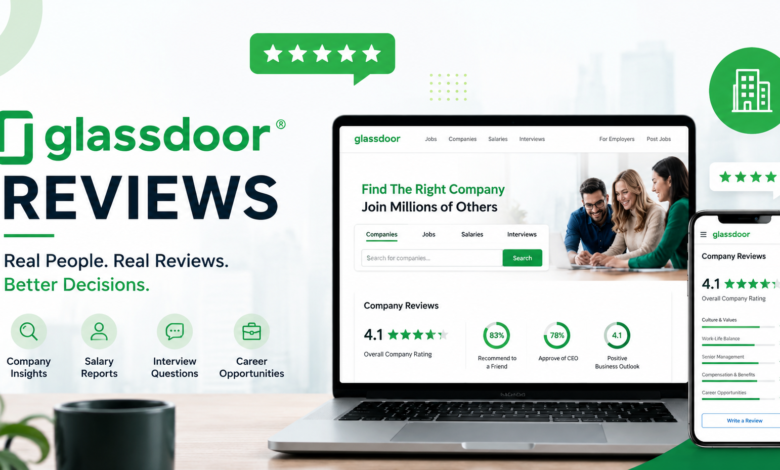
Glassdoor Reviews, Finding the right job is about much more than securing a paycheck. Today’s professionals want to work in environments where they feel respected, supported, and given opportunities to grow. This is exactly why Glassdoor reviews have become one of the most trusted resources for job seekers around the world. Instead of relying solely on a company’s marketing materials or recruitment pitches, candidates can now read honest experiences shared by current and former employees.
Glassdoor reviews provide valuable insights into workplace culture, leadership quality, salaries, interview experiences, benefits, and career development opportunities. While no review platform is perfect, learning how to interpret these reviews correctly can help you make smarter career decisions.
In this guide, we’ll explore everything you need to know about Glassdoor reviews, including how they work, why they matter, how to spot fake reviews, and how employers respond to employee feedback. Whether you’re actively searching for a new job or simply researching your current employer, this article will help you get the most value from Glassdoor reviews.
What Are Glassdoor Reviews?
Glassdoor reviews are employee-submitted ratings and written experiences about companies, workplaces, and employers. Current and former employees can anonymously share their opinions regarding different aspects of their jobs, allowing others to get an inside look before applying for a position.
Unlike traditional company websites that only showcase positive achievements, Glassdoor reviews offer a balanced perspective. Employees discuss both the strengths and weaknesses of their organizations, creating a more realistic picture of what it’s like to work there. Reviews often include information about management styles, work-life balance, compensation, office culture, and opportunities for advancement.
One of the biggest advantages of Glassdoor reviews is anonymity. Since reviewers can share their experiences without revealing their identities publicly, many employees feel more comfortable providing honest feedback. Although companies cannot edit or delete negative reviews simply because they dislike them, Glassdoor has moderation policies that remove content violating its community guidelines.
Why Glassdoor Reviews Matter for Job Seekers
One of the most stressful parts of changing jobs is the uncertainty. Job descriptions often sound impressive, interviews usually highlight only the positives, and recruiters naturally want candidates to feel excited about joining the company. Glassdoor reviews help reduce this uncertainty by offering insights from people who have actually worked there.
Reading multiple Glassdoor reviews allows job seekers to identify recurring themes. For example, if dozens of employees consistently mention excellent leadership, flexible schedules, or supportive coworkers, there’s a good chance those qualities genuinely reflect the company’s culture. Similarly, repeated complaints about poor management or unrealistic workloads deserve attention.
Glassdoor reviews can also help candidates prepare for interviews. Many reviews include interview questions, hiring timelines, and descriptions of the recruitment process. This information helps applicants know what to expect, reducing anxiety and increasing confidence before meeting with hiring managers.
Information You Can Find in Glassdoor Reviews
Glassdoor reviews contain far more than simple star ratings. They provide a detailed overview of what employees experience during their time at a company, making them an incredibly useful research tool.
Many reviews discuss compensation and benefits. Employees often mention whether salaries are competitive, whether bonuses are fair, and whether benefits like healthcare, retirement plans, or paid leave meet expectations. Although individual experiences vary, reading several Glassdoor reviews can help paint a clearer financial picture.
Another valuable feature is information about workplace culture. Employees frequently describe communication styles, teamwork, diversity, management support, recognition programs, and company values. This can help determine whether the organization’s environment aligns with your own personality and career goals.
Career growth is another common topic. Reviewers often explain whether promotions are based on performance, whether training opportunities exist, and whether managers invest in employee development. For ambitious professionals, these insights can be just as important as salary information.
How to Read Glassdoor Reviews the Right Way
It’s easy to focus on one particularly positive or negative review, but doing so can lead to inaccurate conclusions. The smartest approach is to analyze trends rather than isolated opinions.
Start by reading both recent and older Glassdoor reviews. Companies evolve over time, especially after leadership changes, mergers, or organizational restructuring. Reviews from several years ago may no longer reflect the current work environment.
Pay attention to consistency. If many reviewers mention similar strengths or concerns, those patterns are likely meaningful. On the other hand, a single extremely emotional review may represent an isolated experience rather than the norm.
Also consider the reviewer’s role and department. Experiences can differ significantly between engineering, marketing, sales, customer support, and executive leadership. Looking for reviews from employees in positions similar to the one you’re applying for will provide more relevant insights.
Advantages of Using Glassdoor Reviews
One of the greatest strengths of Glassdoor reviews is transparency. Instead of relying entirely on company branding, candidates gain access to authentic employee experiences that may otherwise remain hidden.
Glassdoor reviews also save valuable time. Rather than accepting interviews with companies that have consistently poor reputations, job seekers can prioritize organizations that demonstrate positive employee satisfaction and healthy workplace cultures.
Employers benefit as well. Many companies actively monitor Glassdoor reviews to understand employee concerns, improve workplace policies, and strengthen their employer brand. Constructive criticism often encourages organizations to make meaningful improvements that benefit current and future employees.
Additionally, Glassdoor reviews contribute to more informed hiring decisions. Candidates who understand company culture beforehand are more likely to accept positions that truly match their expectations, leading to better long-term job satisfaction and lower turnover.
Common Limitations of Glassdoor Reviews
Despite their usefulness, Glassdoor reviews should never be considered the only source of information when evaluating an employer. Every workplace contains employees with different personalities, expectations, and experiences.
Some reviews may reflect temporary situations, such as organizational restructuring, difficult managers, or short-term business challenges. A negative review written during a particularly stressful period may not accurately represent the company’s overall environment.
There is also the possibility of bias. Employees with extremely positive or extremely negative experiences are often more motivated to leave reviews than those with neutral opinions. This can sometimes create an exaggerated impression of workplace conditions.
For these reasons, Glassdoor reviews should always be combined with additional research, including company websites, LinkedIn profiles, news articles, employee networking, and personal interviews.
How Employers Respond to Glassdoor Reviews
Many organizations now treat Glassdoor reviews as an essential part of their employer branding strategy. HR teams regularly monitor employee feedback and respond publicly to reviews, especially those containing constructive criticism.
Professional responses typically thank employees for their feedback, acknowledge concerns, and explain any steps the company is taking to improve. Thoughtful responses
often demonstrate that leadership genuinely values employee opinions rather than ignoring criticism.
Some employers also encourage satisfied employees to share honest Glassdoor reviews after positive workplace experiences. This helps create a more balanced representation of the organization while maintaining authenticity.
When reviewing companies, don’t just read employee comments. Pay attention to how management responds. Respectful, professional replies often indicate mature leadership and a willingness to improve workplace culture.
Tips for Writing Helpful Glassdoor Reviews
If you’ve worked for a company and decide to leave a review, aim to provide balanced and constructive feedback. The most valuable Glassdoor reviews describe specific experiences rather than emotional reactions.
Include useful details about workplace culture, leadership, workload, compensation, career development, and work-life balance. Future job seekers appreciate practical information that helps them understand daily life within the organization.
Avoid personal attacks or exaggerated statements. Instead, focus on objective observations and examples. Honest, respectful reviews are more credible and far more useful to readers.
Finally, remember that your review can positively influence both job seekers and employers. Constructive feedback often encourages companies to improve policies, communication, and employee satisfaction over time.
How to Spot Fake or Misleading Glassdoor Reviews
While most Glassdoor reviews are genuine, it’s still important to recognize signs of potentially misleading content. Reviews that sound excessively promotional without mentioning any drawbacks may not provide a balanced perspective.
Similarly, extremely negative reviews filled with emotional language but lacking specific examples should be interpreted cautiously. Authentic reviews usually include details about daily responsibilities, management interactions, workplace culture, or career growth.
Look for patterns instead of isolated opinions. If dozens of independent Glassdoor reviews consistently describe similar experiences, those observations are generally more trustworthy than one unusually positive or negative comment.
Comparing Glassdoor reviews with information from LinkedIn, employee testimonials, professional networking groups, and company news can also help verify whether common themes appear across multiple sources.
Final Thoughts
Glassdoor reviews have transformed the way people research employers and make career decisions. Instead of entering a new workplace with limited information, job seekers now have access to valuable employee experiences that reveal what daily life inside an organization is really like.
The key to using Glassdoor reviews effectively is understanding that no single review tells the whole story. Reading multiple reviews, identifying recurring themes, considering review dates, and combining Glassdoor with other research methods will provide a much clearer picture of any employer.
Whether you’re preparing for interviews, comparing job offers, or simply exploring new career opportunities, Glassdoor reviews remain one of the most valuable resources available. Used wisely, they can help you avoid poor workplace matches, discover outstanding employers, and make career decisions with greater confidence.
You May Also Read: Germany Olympic Hockey Jersey