Abdul El-Sayed Religion: Exploring His Muslim Faith, Beliefs, and Background

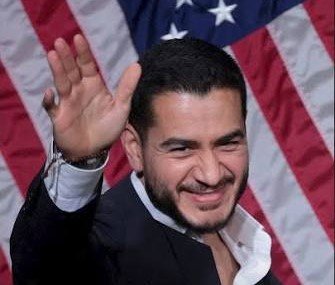
Abdul El-Sayed Religion Abdul El-Sayed is a well-known American physician, public health expert, and politician whose personal background and religious beliefs have attracted considerable public attention. As a prominent political figure with Egyptian roots, he has often spoken openly about his identity, upbringing, and the role faith plays in his life. One question people frequently search online is: What is Abdul El-Sayed’s religion?
Abdul El-Sayed is Muslim. He has openly identified himself as a Muslim and discussed how his faith has influenced his personal values, understanding of justice, and approach to public service. Rather than treating religion as something separate from his identity, he has explained how his spiritual beliefs encourage him to contribute to society and treat people with dignity and respect.
However, understanding Abdul El-Sayed’s religion involves more than simply identifying him as Muslim. His experiences growing up in a Muslim household, exploring his beliefs during college, and developing a personal relationship with faith provide a deeper understanding of his character. This article explores Abdul El-Sayed’s religious background, family influences, personal beliefs, and the relationship between his Muslim identity and political career.
What Is Abdul El-Sayed’s Religion?
Abdul El-Sayed’s religion is Islam. He has publicly discussed his Muslim identity in interviews, political appearances, and conversations about American society. His openness about his faith has made him an important figure in discussions about Muslim representation in American politics.
He has explained that being Muslim is an important part of who he is. During a 2017 interview with WDET, he described himself as a Muslim and discussed how his belief in one God motivates him to work toward a more just and equitable world. His comments demonstrated that his religious identity is connected to his understanding of responsibility toward other people.
For Abdul El-Sayed, Islam is not simply a family tradition or a cultural label. He has described faith as something that helps guide his decisions and encourages him to become a better person. His public statements suggest that compassion, fairness, service, and respect for humanity are central elements of how he understands his religious beliefs.
Abdul El-Sayed’s Muslim Family Background
Abdul El-Sayed was born in Rochester Hills, Michigan, to Egyptian immigrant parents. His family background connects him to both American and Egyptian cultures, and his upbringing exposed him to the Arabic language, Egyptian traditions, and Muslim religious practices. His parents’ heritage played an important role in shaping his early understanding of identity and belonging.
He grew up in a devoutly Muslim household, where religion was an important part of family life. Like many children raised in religious families, he experienced expectations surrounding religious education, traditions, and personal behavior. These early experiences helped introduce him to Islamic teachings, although his relationship with religion developed over time.
His grandmother also had a particularly meaningful influence on his spiritual development. Abdul El-Sayed has spoken warmly about her deep faith, wisdom, and character. Although she had limited formal education, he considered her one of the wisest people he had ever known. Her humility and understanding of life helped shape his appreciation for faith and the importance of treating others fairly.
How Abdul El-Sayed Developed His Religious Beliefs
Abdul El-Sayed’s relationship with Islam has not always been straightforward. In interviews, he has explained that although he grew up in a devout Muslim family, he questioned certain aspects of religious practice while growing up. He described himself as a curious person who frequently asked difficult questions and wanted to understand things independently.
During his teenage years, his experiences were also shaped by the events surrounding September 11, 2001. As a young Muslim American, he witnessed how public attitudes toward Muslim communities changed after the attacks. This period influenced his understanding of religious identity and the challenges faced by people who are viewed differently because of their names, backgrounds, or beliefs.
His college years provided an opportunity to explore his faith more independently. Moving away from his family home allowed him to reconsider his relationship with Islam and develop a personal understanding of its teachings. He has explained that he did not necessarily lose his belief in God when he questioned religious practices. Instead, he wanted to understand his faith on his own terms. This personal journey eventually strengthened his connection to Islam.
The Influence of Islam on Abdul El-Sayed’s Personal Values
One important aspect of Abdul El-Sayed’s religious identity is the connection he makes between faith and social responsibility. He has repeatedly discussed how his beliefs encourage him to work toward a society where people have equal opportunities and can live with dignity. For him, faith is closely connected to the way individuals treat others.
He has also spoken about the importance of justice and compassion. These principles are significant themes in Islamic teachings, which emphasize helping people in need, acting honestly, and recognizing the dignity of every human being. El-Sayed has connected these ideas to his interest in public health and improving the quality of life for ordinary Americans.
Another important part of his personal philosophy is respecting people with different beliefs. He has expressed support for religious freedom and the separation of religion and government. His position is that everyone should have the freedom to practice their religion or choose not to follow one. This perspective reflects his understanding that a diverse society should protect the rights of all its members.
Abdul El-Sayed’s Religion and Political Career
Abdul El-Sayed’s Muslim identity has been an important part of public discussions about his political career. As someone who has openly discussed his religion, he has challenged assumptions about whether Muslim Americans can successfully participate in American political leadership.
During his 2018 campaign for governor of Michigan, questions about his religion frequently became part of political conversations. Rather than hiding his background, he addressed these discussions directly. He explained that his Muslim faith was something he embraced and that his religious beliefs encouraged him to fight for justice and opportunities for everyone.
His political career has also included public health leadership. He served as Detroit’s health director, where he worked on issues affecting the city’s residents and public health infrastructure. His professional background helped establish his reputation as someone interested in practical solutions to social challenges. His supporters have often connected his interest in healthcare access and economic fairness with the broader values he discusses through his faith.
In 2026, El-Sayed became the Democratic nominee for the U.S. Senate in Michigan and subsequently won the general election, making history as the first Muslim elected to the United States Senate. His victory represented a significant milestone for Muslim American political representation. His religious identity received considerable attention during the campaign, but he continued emphasizing healthcare, affordability, and economic opportunities as major priorities.
What Abdul El-Sayed Has Said About Religious Freedom
Religious freedom is another subject Abdul El-Sayed has discussed throughout his political journey. He believes that people should have the right to practice their religion without facing discrimination or government interference. His position is closely connected to his understanding of American constitutional principles and the importance of protecting individual freedoms.
He has also emphasized the separation of church and state. This principle means that government institutions should not favor one religion over another or force citizens to follow particular religious beliefs. For El-Sayed, protecting this separation is important because it allows Muslims, Christians, Jews, people of other faiths, and those without religious beliefs to live freely.
His approach also highlights an important distinction between personal faith and public responsibility. Although his Muslim beliefs influence his values, he has argued that government should serve everyone regardless of religious background. This is an important part of how he explains the relationship between his identity as a Muslim and his responsibilities as an American political leader.
Challenges Abdul El-Sayed Has Faced Because of His Muslim Identity
Being openly Muslim in American politics has not always been easy for Abdul El-Sayed. Muslim Americans have experienced discrimination, stereotypes, and suspicion, particularly in the years following September 11. Political candidates with Muslim or Arab backgrounds can sometimes face questions about their loyalty, religious beliefs, and connection to American society.
El-Sayed has experienced questions and criticism related to his name, family background, and faith during election campaigns. He has spoken about the assumptions people sometimes make about Muslim candidates before considering their professional experience or political ideas. Instead of avoiding these conversations, he has often addressed them publicly.
During the 2026 Senate campaign, attacks related to his Muslim identity became especially visible. Some political opponents attempted to connect his background with extremist organizations, allegations he firmly rejected. These controversies attracted national attention and created broader discussions about Islamophobia, religious freedom, and political representation.
Despite these challenges, El-Sayed has continued to speak openly about his religion. His approach demonstrates that he does not believe Muslim Americans should have to hide their religious identities to participate in public life. He has consistently argued that citizenship, professional ability, and commitment to the country should not be judged by someone’s religion.
Is Abdul El-Sayed a Practicing Muslim?
Abdul El-Sayed has publicly discussed his connection to Islam and described himself as a person of deep faith. His comments about prayer, religious identity, and the influence of his grandmother demonstrate that his relationship with Islam extends beyond his family background.
Religious News Service reported in 2026 that Imam Suleiman Hani, who has known El-Sayed for years, described him as a practicing Muslim with connections to Muslim communities in the Ann Arbor and Detroit areas. This provides additional context about his involvement in the Muslim community.
However, it is important to distinguish between publicly available information and assumptions about someone’s private religious routine. Individuals can express their faith in different ways, and their personal practices may change over time. The most reliable understanding of El-Sayed’s religion comes from his own statements and credible reporting about his public religious involvement.
What is clear is that he has consistently embraced his Muslim identity and discussed how faith influences his understanding of humanity, fairness, and public service.
Why Abdul El-Sayed’s Muslim Identity Matters in American Politics
Abdul El-Sayed’s religious identity is significant because Muslim Americans remain an important part of the country’s cultural, social, and political landscape. His willingness to discuss his beliefs openly challenges the idea that political leaders must come from a particular religious background to represent the American public.
His political journey also demonstrates the importance of religious diversity in democratic institutions. The United States includes people from many religious traditions, and political representation can help ensure that different communities have a voice in important national discussions.
His historic 2026 Senate victory added another important chapter to this conversation. Although Muslim Americans had previously served in the House of Representatives, El-Sayed’s election marked the first time a Muslim was elected to the United States Senate. This achievement attracted attention from political observers and Muslim communities across the country.
Beyond the historical milestone, his story highlights the possibility of maintaining a personal religious identity while participating in a diverse democratic system. His public message has consistently emphasized that people should be judged by their character, ideas, and contributions rather than assumptions about their religion.
Conclusion
So, what is Abdul El-Sayed’s religion? Abdul El-Sayed is a Muslim who has openly embraced his Islamic faith throughout his personal and political journey. Born to Egyptian immigrant parents in Michigan, he grew up in a devout Muslim household and developed a deeper personal relationship with his beliefs as he became an adult.
His grandmother’s influence, experiences growing up in America, and independent exploration of Islam have all contributed to his understanding of faith. He frequently connects his religious values with compassion, justice, equality, and helping others.
His historic election to the U.S. Senate in 2026 has also made his Muslim identity an important part of American political history. Ultimately, Abdul El-Sayed’s story shows how personal faith, cultural heritage, and public service can come together while respecting the rights and beliefs of people from every background.
You May Also Read: Abdul El-Sayed Wife