Introduction
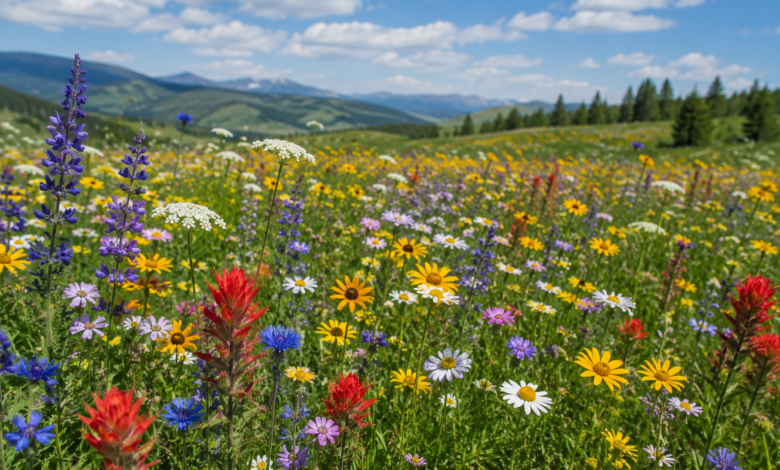
Wild flowers have a special way of transforming ordinary landscapes into breathtaking scenes filled with color, fragrance, and life. Unlike cultivated flowers that are carefully planted and maintained in gardens, wild flowers grow naturally in forests, mountains, meadows, deserts, and roadsides. They thrive without much human intervention, making them one of nature’s most beautiful gifts. Whether you’re hiking through a national park or simply walking along a country road, spotting patches of wild flowers instantly adds charm to the experience.
People often admire wild flowers for their beauty, but their importance extends far beyond appearance. These naturally growing plants support wildlife, improve biodiversity, and help maintain healthy ecosystems. Bees, butterflies, birds, and countless other creatures rely on wild flowers for food and shelter. Without them, many natural habitats would struggle to survive.
As awareness about environmental conservation continues to grow, more people are appreciating the value of wild flowers. Gardeners are adding native wild flower species to their landscapes, photographers are capturing their beauty, and travelers are planning trips around famous wild flower blooms. Their simple yet powerful presence reminds us that nature often creates the most stunning displays without any human assistance.
What Are Wild Flowers?
Wild flowers are flowering plants that grow naturally in their native habitats without being intentionally planted or cultivated. They adapt to local climates, soil conditions, and seasonal weather patterns, allowing them to flourish in areas where they have evolved over thousands of years. Every region around the world has its own unique collection of wild flowers that contribute to its natural identity.
Unlike ornamental flowers found in gardens, wild flowers have developed remarkable resilience. They often survive harsh weather, poor soil, drought, and changing environmental conditions. Their ability to thrive naturally makes them an essential part of healthy ecosystems. While they may appear delicate, many species are surprisingly tough and capable of enduring challenging environments.
Another interesting aspect of wild flowers is their incredible diversity. They come in countless colors, shapes, sizes, and blooming seasons. Some grow close to the ground in grassy meadows, while others reach impressive heights in forests or open plains. This variety creates spectacular displays that change throughout the year, offering something beautiful during every season.
Why Wild Flowers Are Important for Nature
Wild flowers play a vital role in supporting biodiversity. Their blossoms provide nectar and pollen for bees, butterflies, moths, beetles, and other pollinating insects. These pollinators are responsible for helping many plants reproduce, including crops that humans depend on for food. Without healthy wild flower populations, pollinator numbers could decline significantly.
In addition to supporting insects, wild flowers create habitats for birds, small mammals, reptiles, and beneficial insects. Their leaves, stems, and seeds provide food and shelter throughout the year. Some bird species even use dried wild flower stems as nesting material, demonstrating how valuable these plants are across different seasons.
Wild flowers also contribute to healthier soil and cleaner environments. Their root systems help reduce erosion by holding soil together, especially on hillsides and riverbanks. Many native wild flower species require little watering or chemical treatment, making them environmentally friendly compared to heavily managed ornamental gardens. Their natural growth supports sustainable ecosystems while reducing human impact on the environment.
Popular Types of Wild Flowers
The world is home to thousands of fascinating wild flower species, each with its own unique appearance and growing conditions. One of the most recognized is the daisy, known for its cheerful white petals and bright yellow center. Daisies are commonly found in meadows and open fields, symbolizing simplicity and purity in many cultures.
Another favorite is the poppy, famous for its vibrant red petals that create breathtaking fields during blooming season. Poppies have become symbols of remembrance in many countries while also attracting numerous pollinators. Their delicate appearance contrasts with their remarkable ability to grow in challenging environments.
Bluebells, lupines, sunflowers, buttercups, black-eyed Susans, and Indian paintbrushes are just a few more examples of beautiful wild flowers found across different regions of the world. Each species contributes unique colors, fragrances, and ecological benefits to its habitat. Their seasonal blooms create unforgettable landscapes that attract tourists, photographers, and nature enthusiasts every year.
Benefits of Growing Wild Flowers at Home
Many homeowners are discovering that adding wild flowers to their gardens offers numerous advantages. Native wild flowers are generally easier to maintain because they have already adapted to local weather conditions. They typically require less watering, fertilizer, and pesticide use compared to traditional ornamental plants, making them both cost-effective and environmentally responsible.
Wild flower gardens also attract valuable pollinators that improve the health of nearby fruit trees, vegetables, and flowering plants. Bees, butterflies, hummingbirds, and other beneficial wildlife are naturally drawn to these colorful blooms. Their presence creates a lively garden filled with movement, sound, and ecological balance.
Beyond environmental benefits, wild flowers provide year-round beauty with minimal effort. Instead of perfectly arranged flower beds, they create a more natural and relaxed appearance that many people find peaceful and inviting. Their changing colors throughout the seasons make every visit to the garden feel fresh and exciting.
How to Grow Wild Flowers Successfully
Growing wild flowers begins with selecting species that are native to your local region. Native plants are more likely to thrive because they are already adapted to the area’s climate and soil conditions. Researching local varieties ensures higher success rates while supporting regional ecosystems.
Proper site preparation is equally important. Removing weeds, loosening the soil, and choosing a location with appropriate sunlight will help seeds establish healthy roots. Some wild flower species prefer full sun, while others grow best in partial shade. Understanding these preferences increases the chances of successful growth.
Patience is one of the most important qualities when growing wild flowers. Unlike fast-growing annual garden plants, many native species take time to establish themselves. During the first year, growth may appear slow, but once established, wild flowers often return season after season with very little maintenance. Their long-term beauty is well worth the initial wait.
Challenges Facing Wild Flowers
Despite their resilience, wild flowers face numerous threats worldwide. Urban development continues to replace natural habitats with roads, buildings, and agricultural land. As these habitats disappear, many wild flower populations decline, affecting the wildlife that depends on them.
Climate change presents another significant challenge. Shifting temperatures, changing rainfall patterns, and extreme weather events can alter blooming seasons and reduce suitable growing conditions for certain species. Some wild flowers struggle to adapt quickly enough, especially those with highly specialized environmental requirements.
Invasive plant species also threaten native wild flowers by competing for sunlight, water, and nutrients. These aggressive plants often spread rapidly, crowding out native vegetation and reducing biodiversity. Conservation organizations and local communities are increasingly working together to restore natural habitats and protect endangered wild flower species for future generations.
Conclusion
Wild flowers are much more than beautiful plants growing in open fields or along quiet trails. They represent resilience, biodiversity, and the remarkable ability of nature to flourish without constant human intervention. Their vibrant colors brighten landscapes while supporting countless insects, birds, and other wildlife that depend on healthy ecosystems.
Whether you enjoy photographing colorful meadows, planting native flowers in your backyard, or simply appreciating nature during a walk, wild flowers offer something meaningful to everyone. They remind us that even the smallest plants can have an enormous impact on the environment. Their presence enriches our lives both visually and ecologically.
As more people recognize the importance of protecting natural habitats, wild flowers will continue to play a central role in conservation efforts around the world. By respecting, preserving, and encouraging their growth, we help create healthier ecosystems for future generations while ensuring that these stunning natural masterpieces continue to bloom for years to come.
You May Also Read: Behind the Bastards