Introduction
EFP Bombs, Explosively Formed Penetrators, commonly abbreviated as EFPs, have been discussed extensively in military history, security studies, and international policy. Rather than being viewed simply as a weapon, they are often examined as part of the broader evolution of modern warfare and the challenges faced by military personnel, humanitarian organizations, and civilian populations living in conflict zones.
Over the past few decades, conflicts around the world have demonstrated how emerging battlefield technologies can dramatically change military tactics and defensive strategies. Security experts, historians, and policymakers frequently analyze these developments to understand their long-term effects on global stability and civilian safety.
This article explores the historical background of EFPs, their role in modern conflicts, the humanitarian consequences associated with explosive weapons, the international response, and why continued research focuses on protection, conflict prevention, and peacebuilding rather than weapon development.
Understanding What an EFP Is
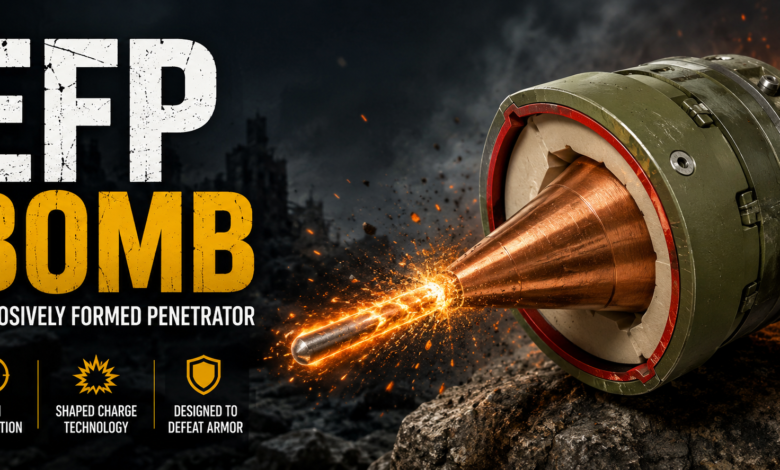
An Explosively Formed Penetrator (EFP) is a category of explosive weapon discussed primarily within military engineering, defense analysis, and international security literature. It is most commonly referenced in reports examining modern armed conflicts and the evolution of battlefield threats.
Unlike many conventional military systems, EFPs became widely recognized because of their appearance in asymmetric warfare during the early twenty-first century. Their use prompted significant changes in military vehicle design, force protection, and operational planning across several countries.
Today, discussions about EFPs are generally found in academic publications, military history books, security research papers, and humanitarian reports. The emphasis has shifted from the devices themselves toward understanding their impact on conflicts and developing better methods to protect both military personnel and civilians.
Historical Background
The concepts behind shaped explosive technologies have existed for many decades and have been studied within military engineering for defensive and offensive applications. As technology advanced, researchers and defense organizations continued examining how these systems influenced battlefield tactics.
Public awareness of EFPs increased considerably during conflicts in Iraq and Afghanistan. Reports from journalists, military analysts, and international organizations frequently mentioned them while documenting changing combat environments and the increasing complexity of modern warfare.
Since then, historians have continued analyzing how the emergence of these weapons influenced military doctrine, equipment development, and international security policy. Rather than focusing solely on technological aspects, modern research also considers political, economic, and humanitarian consequences.
Humanitarian Impact of Explosive Weapons
One of the most significant concerns surrounding explosive weapons is their effect on civilian populations. Armed conflicts rarely affect only combatants, and communities living near conflict zones often experience long-lasting consequences that continue long after fighting has ended.
Damage to homes, hospitals, schools, transportation networks, and public utilities can disrupt daily life for years. Families may lose access to education, healthcare, clean water, and employment opportunities, making recovery extremely difficult even after peace agreements are reached.
International humanitarian organizations consistently emphasize that reducing civilian harm should remain a priority during armed conflicts. Their work focuses on emergency assistance, medical care, reconstruction efforts, and long-term support for affected communities.
How Militaries Responded
The appearance of new battlefield threats encouraged armed forces around the world to improve protective equipment and defensive technologies. Considerable investment has been directed toward enhancing vehicle survivability, improving situational awareness, and strengthening force protection.
Training also evolved significantly. Military personnel increasingly received education focused on recognizing potential hazards, coordinating with specialized teams, and implementing procedures designed to reduce unnecessary risks during operations.
Beyond equipment improvements, governments invested in intelligence gathering, surveillance capabilities, and international cooperation. Sharing information among allied nations became an important part of broader efforts to improve security and better understand emerging threats.
International Law and Security
International humanitarian law establishes rules intended to reduce suffering during armed conflicts. These legal frameworks emphasize protecting civilians, respecting medical facilities, and limiting unnecessary destruction whenever possible.
Organizations such as the United Nations, the International Committee of the Red Cross, and numerous regional institutions continue encouraging dialogue aimed at reducing violence and strengthening civilian protection. Their work includes humanitarian assistance, legal guidance, and conflict prevention initiatives.
Security experts also stress that preventing conflict is often more effective than responding after violence has already occurred. Diplomacy, peace negotiations, economic development, and international cooperation all contribute to reducing the conditions that allow armed conflicts to escalate.
Why Researchers Continue Studying EFPs
Modern research rarely focuses on increasing destructive capability. Instead, much of today’s academic and security research concentrates on understanding historical conflicts, improving protective technologies, and minimizing risks to civilians and military personnel.
Universities, defense analysts, and independent researchers study battlefield developments to learn valuable lessons about strategy, logistics, emergency response, and humanitarian planning. These lessons often influence future peacekeeping operations and disaster preparedness.
Historical analysis also helps governments evaluate previous conflicts objectively. By understanding what happened in the past, policymakers can make more informed decisions aimed at reducing future violence and supporting international stability.
Common Misconceptions
Many people assume that discussions about military technology are intended to promote weapons. In reality, much academic research exists to understand historical events, improve protection measures, and strengthen humanitarian responses.
Another misconception is that technological superiority alone determines conflict outcomes. Military historians generally agree that political leadership, logistics, diplomacy, intelligence, economic resources, and public support all play critical roles in shaping the course of conflicts.
It is also important to recognize that the long-term effects of armed conflict extend far beyond the battlefield. Economic recovery, infrastructure rebuilding, healthcare access, and psychological support remain essential long after military operations have ended.
Conclusion
Explosively Formed Penetrators represent one chapter in the broader history of modern warfare. While they attracted significant attention during several major conflicts, today’s discussions increasingly focus on protecting lives, strengthening international security, and reducing the humanitarian consequences of armed violence.
Studying the history of military technologies helps researchers, historians, policymakers, and humanitarian organizations better understand how conflicts evolve and how societies can respond more effectively. These lessons contribute to improved civilian protection, better emergency planning, and stronger international cooperation.
Ultimately, the most valuable takeaway is not the technology itself but the importance of preventing conflict whenever possible. Continued investment in diplomacy, humanitarian assistance, peacebuilding, and international collaboration offers the greatest opportunity to reduce violence and build a safer future for communities around the world.
You May Also Read: Most Unbiased News Source